Bolt Agency
Bolt Agency
Bolt Agency
Category
Category
Category
InsurTech Platforms
B2B Agency Tools
InsurTech Platforms
B2B Agency Tools
InsurTech Platforms
B2B Agency Tools

The project itself :
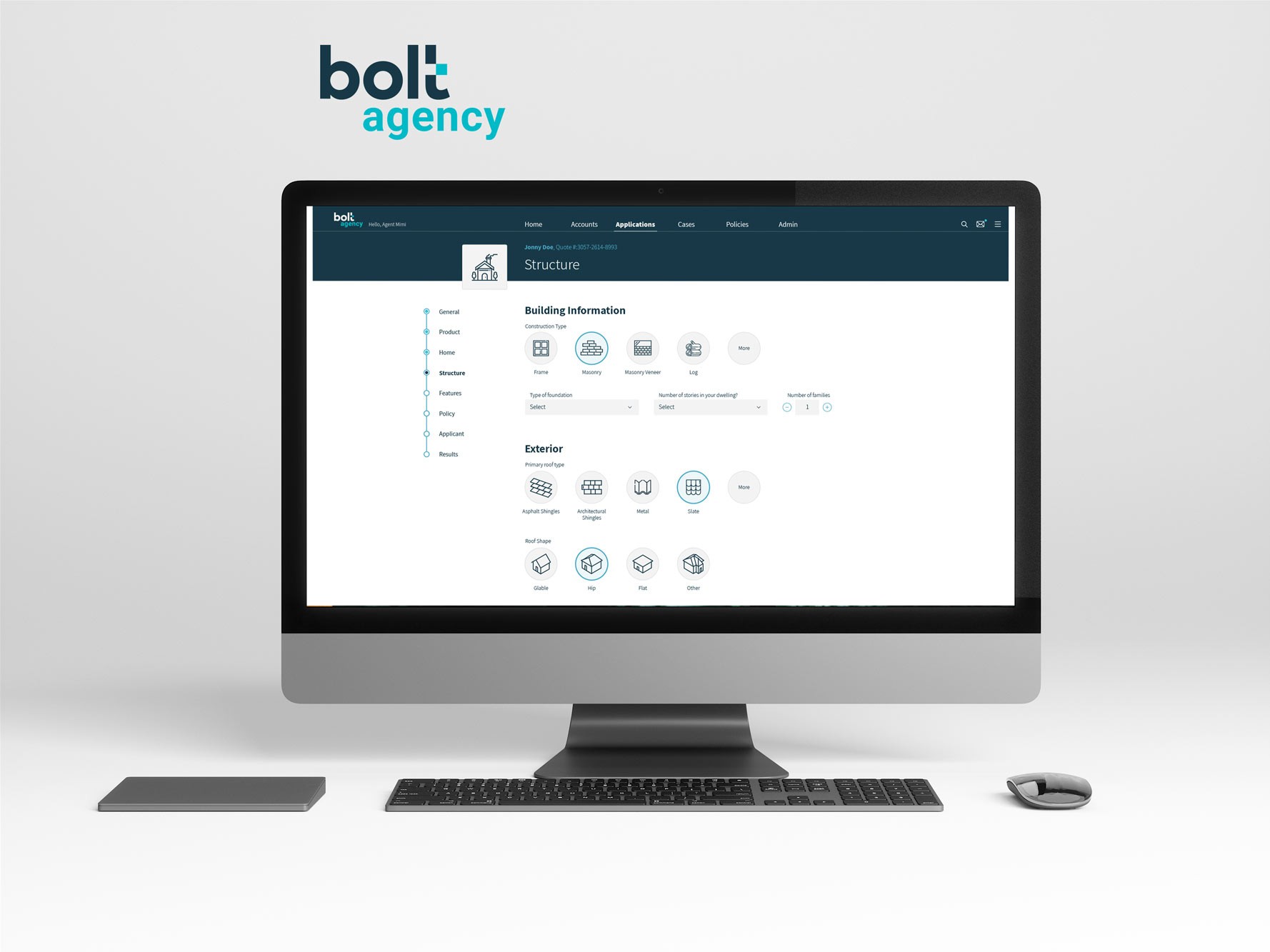
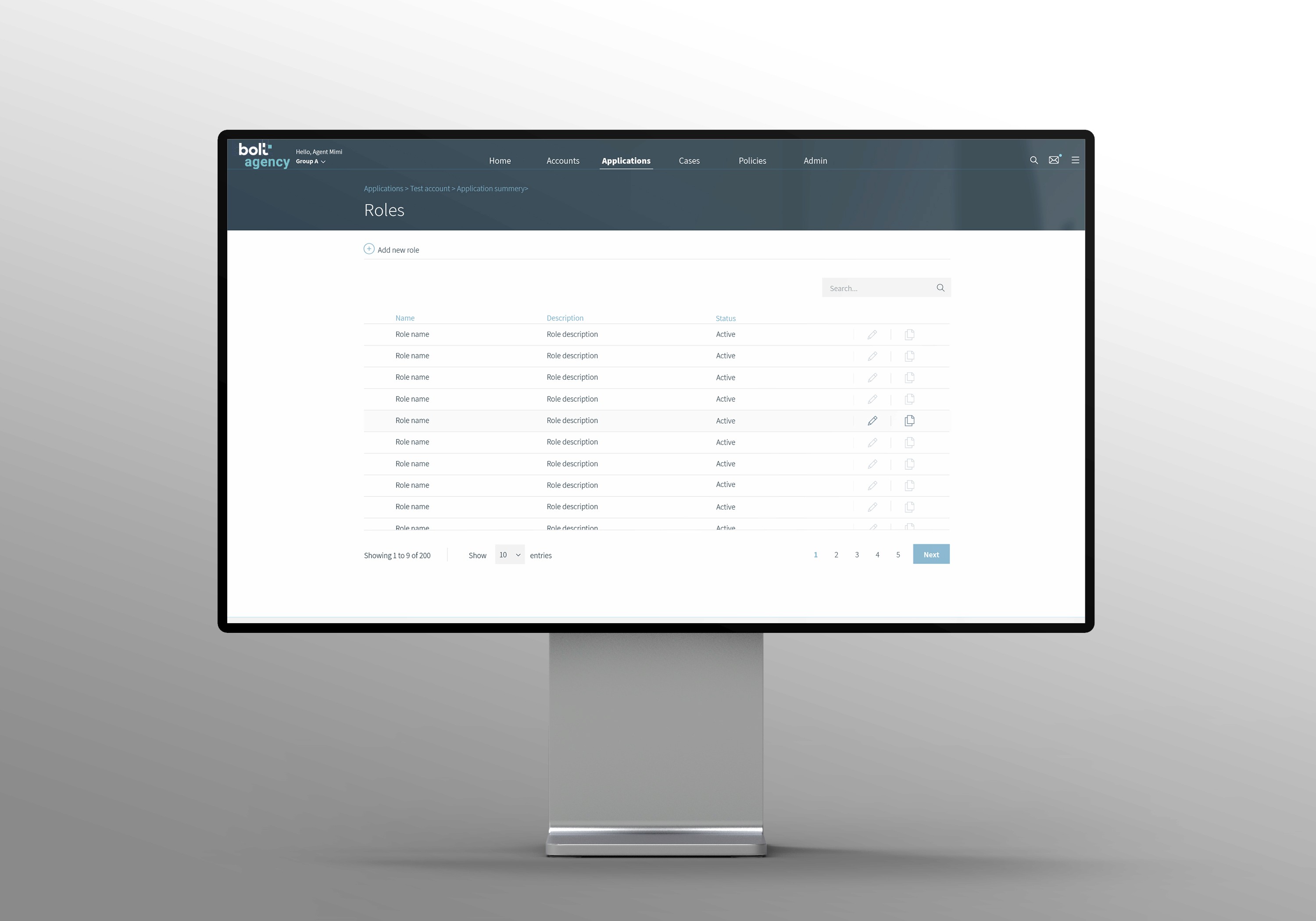
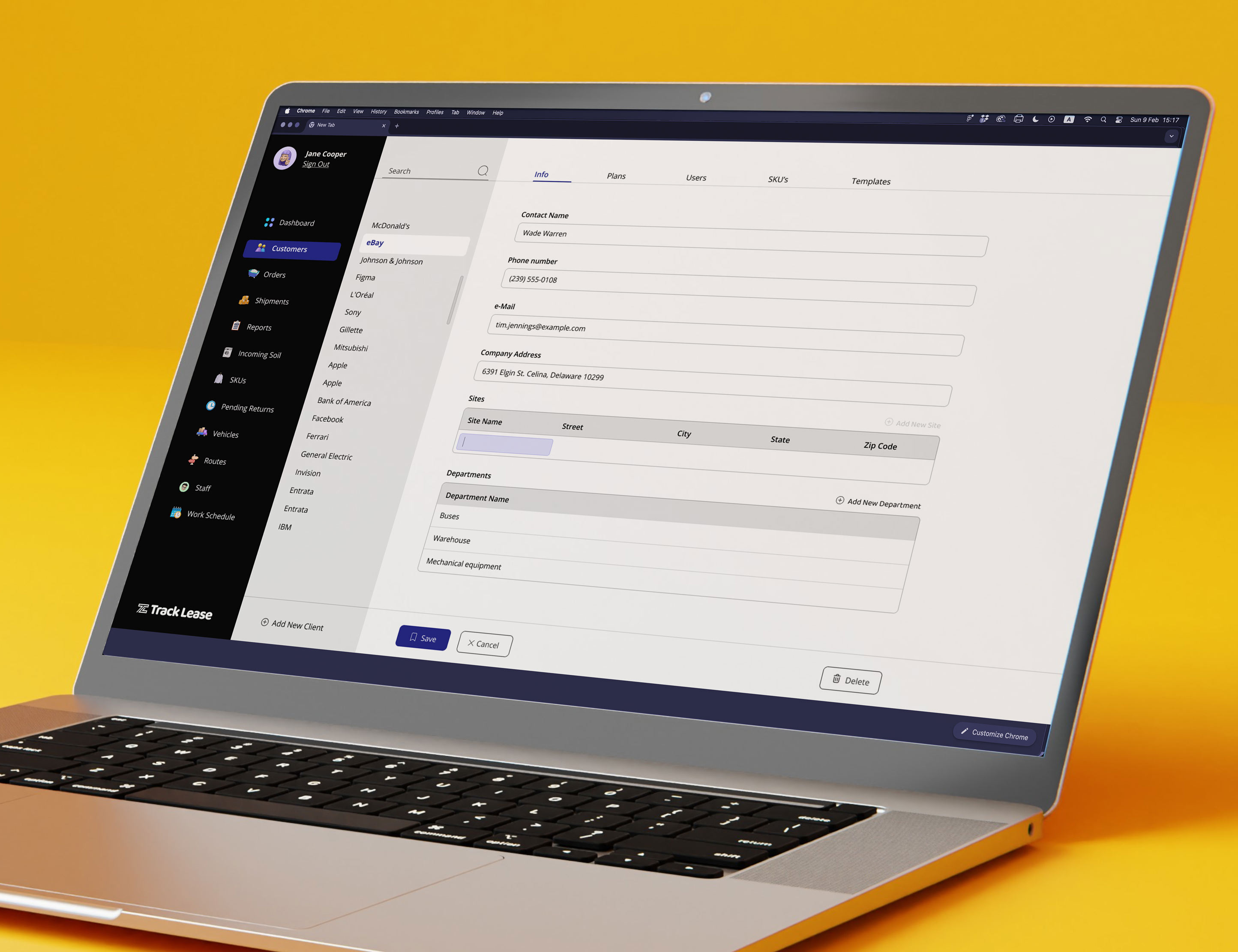
bolt agency provides a digital platform that helps independent insurance agencies and brokers access multiple carriers, compare quotes, and manage policies in one place.
The project goal was to redesign the experience so agencies can quickly serve their own customers, while understanding carrier options, coverage details, and pricing with less friction.
Independent agencies often juggle several carrier portals, manual processes, and inconsistent workflows, which slows down quoting and makes it hard to give clients fast, clear answers.
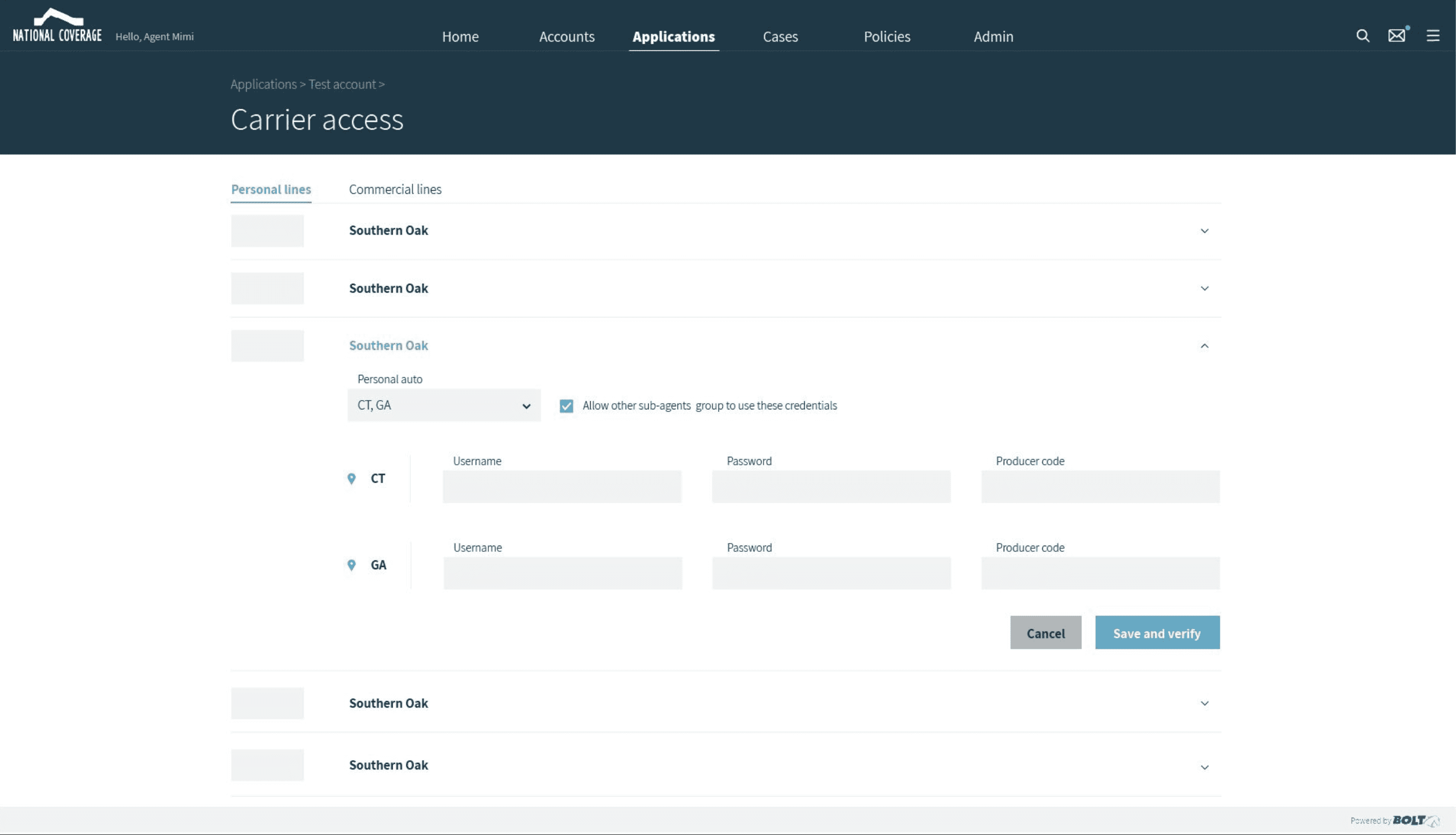
bolt agency needed a streamlined B2B interface that centralizes carrier access, standardizes flows, and presents complex insurance information in a way that fits agents’ daily work.
The goal of the redesign was to make complex insurance decisions feel simple and trustworthy by clarifying coverage types, tightening quote flows, and emphasizing the value of talking to licensed agents.
Worked as a UX/UI designer collaborating closely with product, business, and agency stakeholders to shape the end‑to‑end experience of the B2B platform.
Was responsible for translating complex insurance and carrier requirements into clear, task‑oriented workflows that fit how agents actually quote and service policies day to day.
Mapped agency workflows
Defined core product flows.
Collaborated with product/dev.
Delivered high‑fidelity UI
All about the user :
Research focused on how producers, CSRs, and small‑agency owners search for carriers, build quotes, and handle renewals, as well as which tasks are the most time‑consuming or error‑prone.
Insights showed that agents value speed, reliability, and transparency around appetite and underwriting rules more than marketing content, and need tools that adapt to their existing workflows.
Agents had to jump between multiple carrier websites and tools, repeatedly entering the same client and risk information.
This created wasted effort, more errors, and made it difficult to keep a clear picture of where each quote or submission stood.
Producers often discovered late in the process that a carrier was not willing to write a specific risk, after already filling long forms.
The lack of upfront appetite and eligibility signals slowed down service to clients and forced agents to start over with other markets.
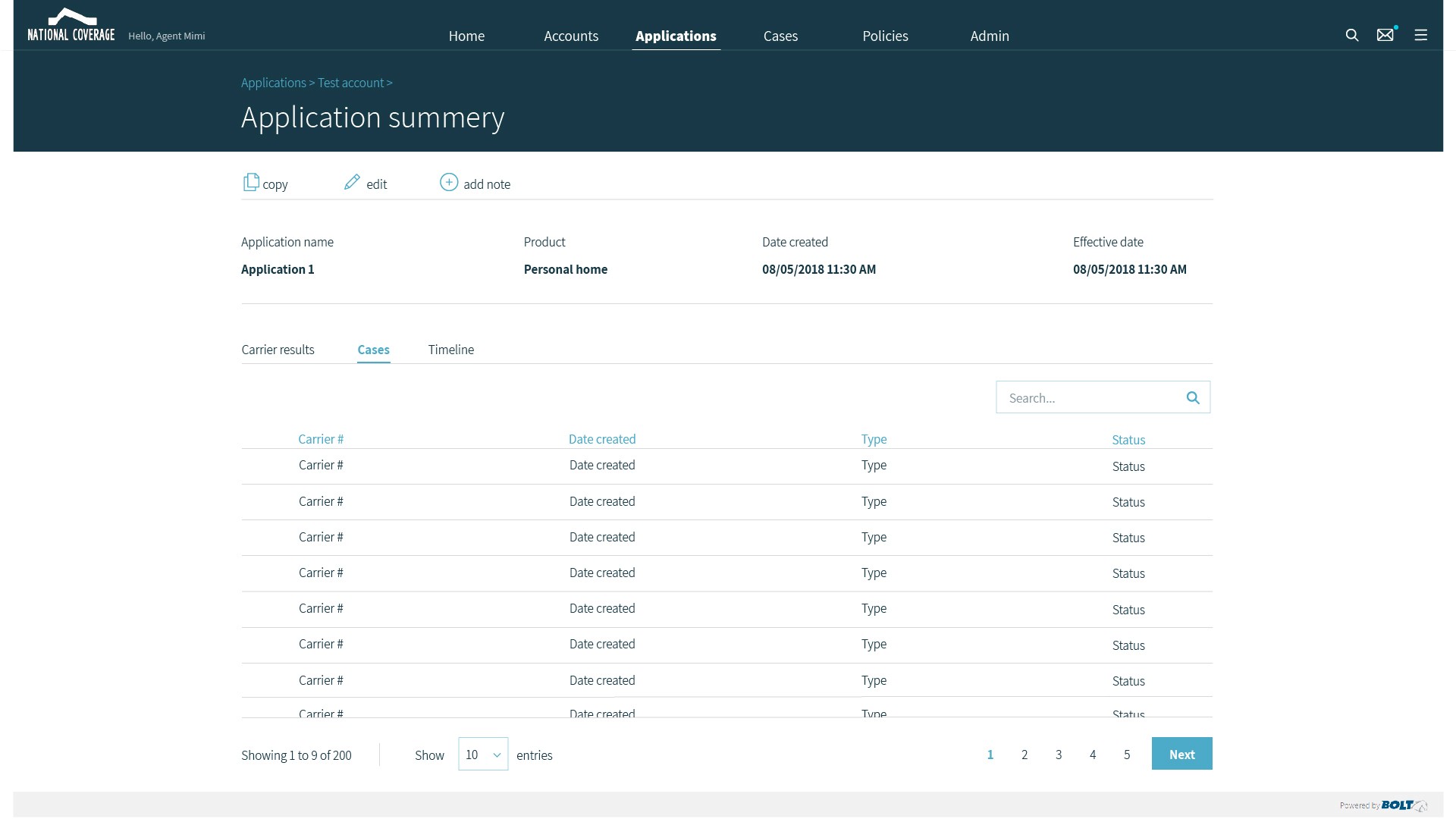
Quotes and policies were spread across emails, PDFs, and carrier systems, so agents lacked a single dashboard to compare options and follow up.
This made it harder to explain differences in coverage and price to customers and reduced close rates for the agency
The journey begins when an agent logs into the platform, searches or creates an account for a client, and selects the relevant line of business such as Auto, Home, or Small Business.
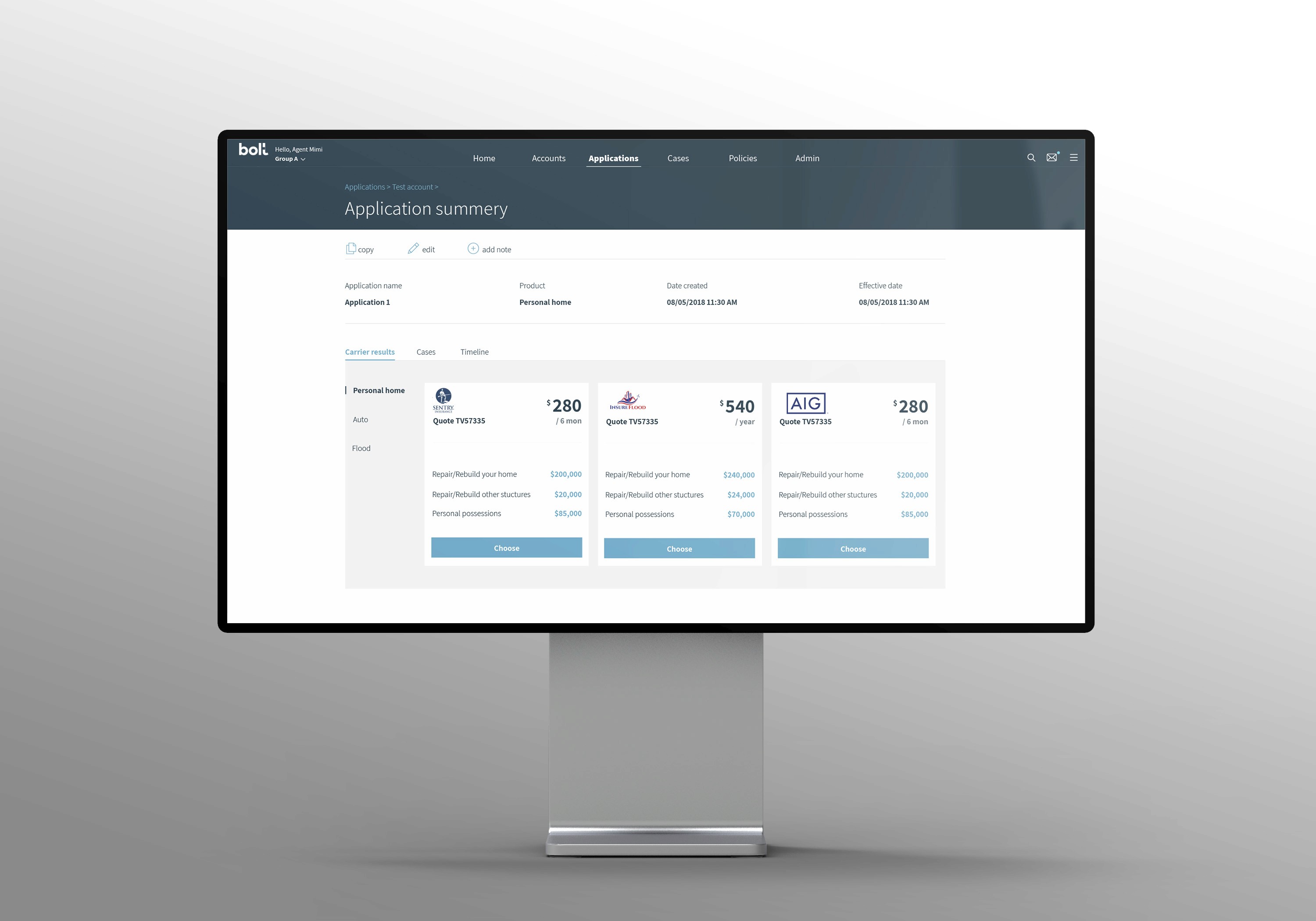
From there, the agent enters risk details once, reviews which carriers are available, compares quotes and coverage summaries, and then either binds the policy or returns later through the same dashboard.
The project schematically :
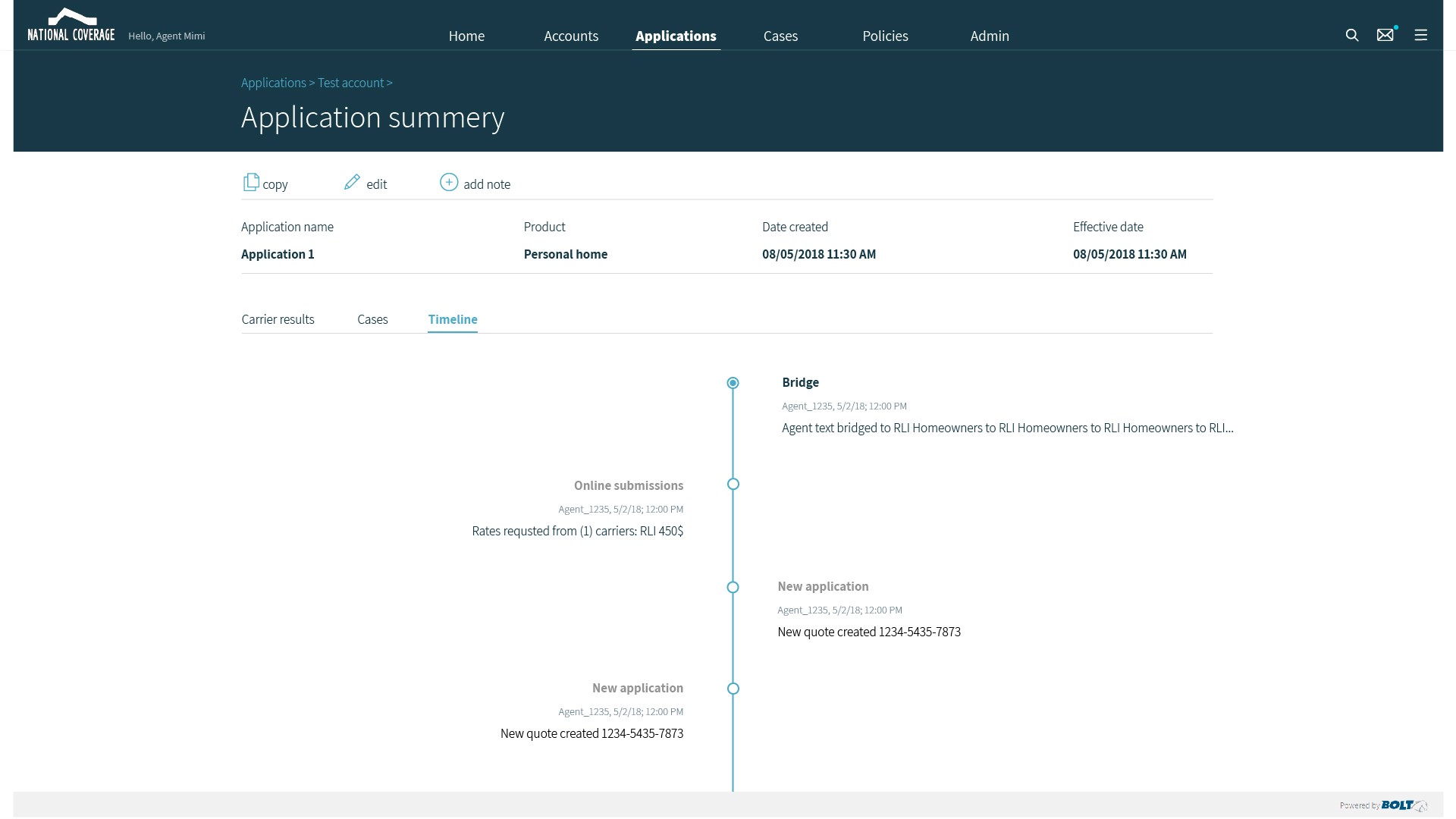
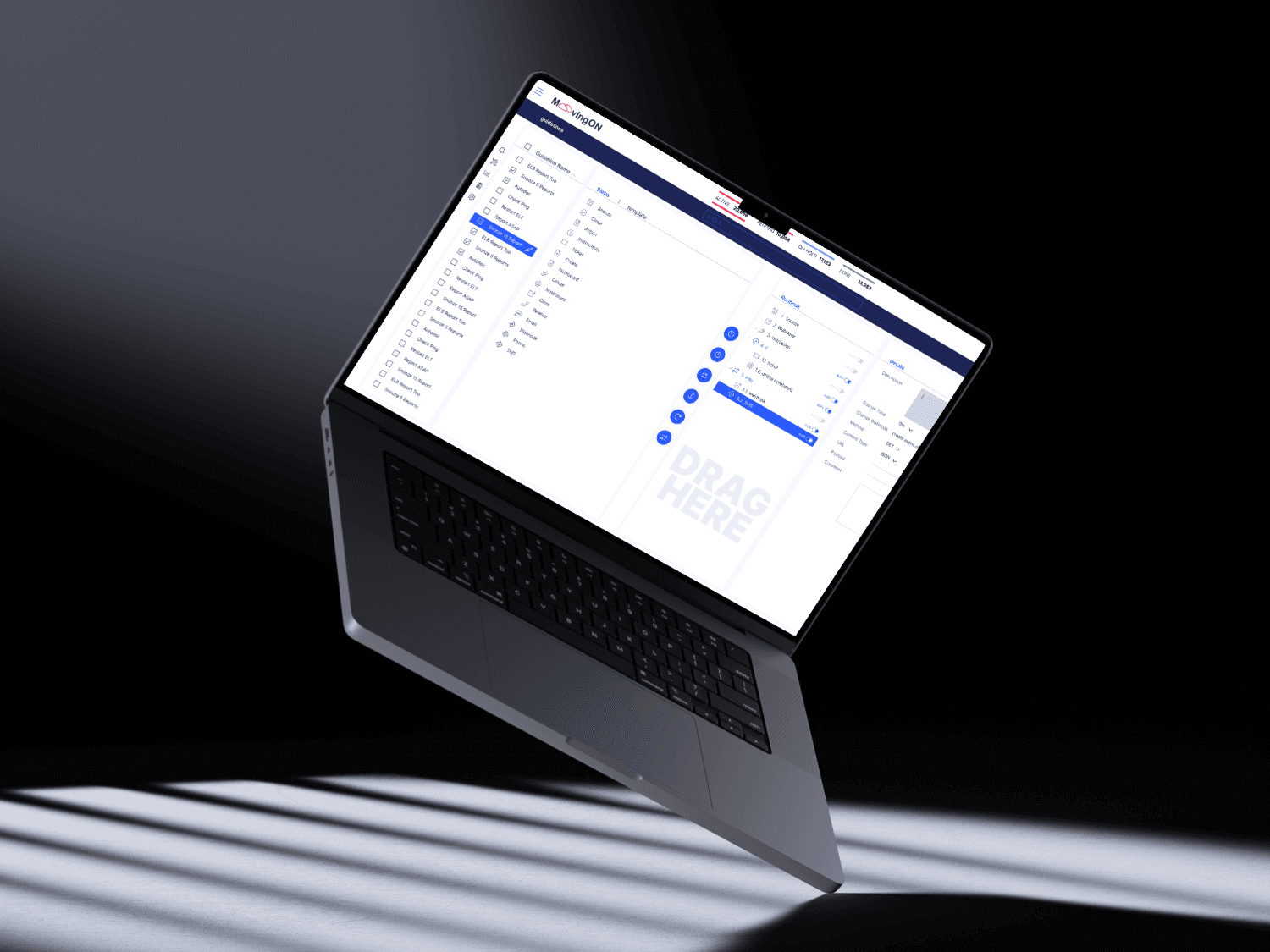
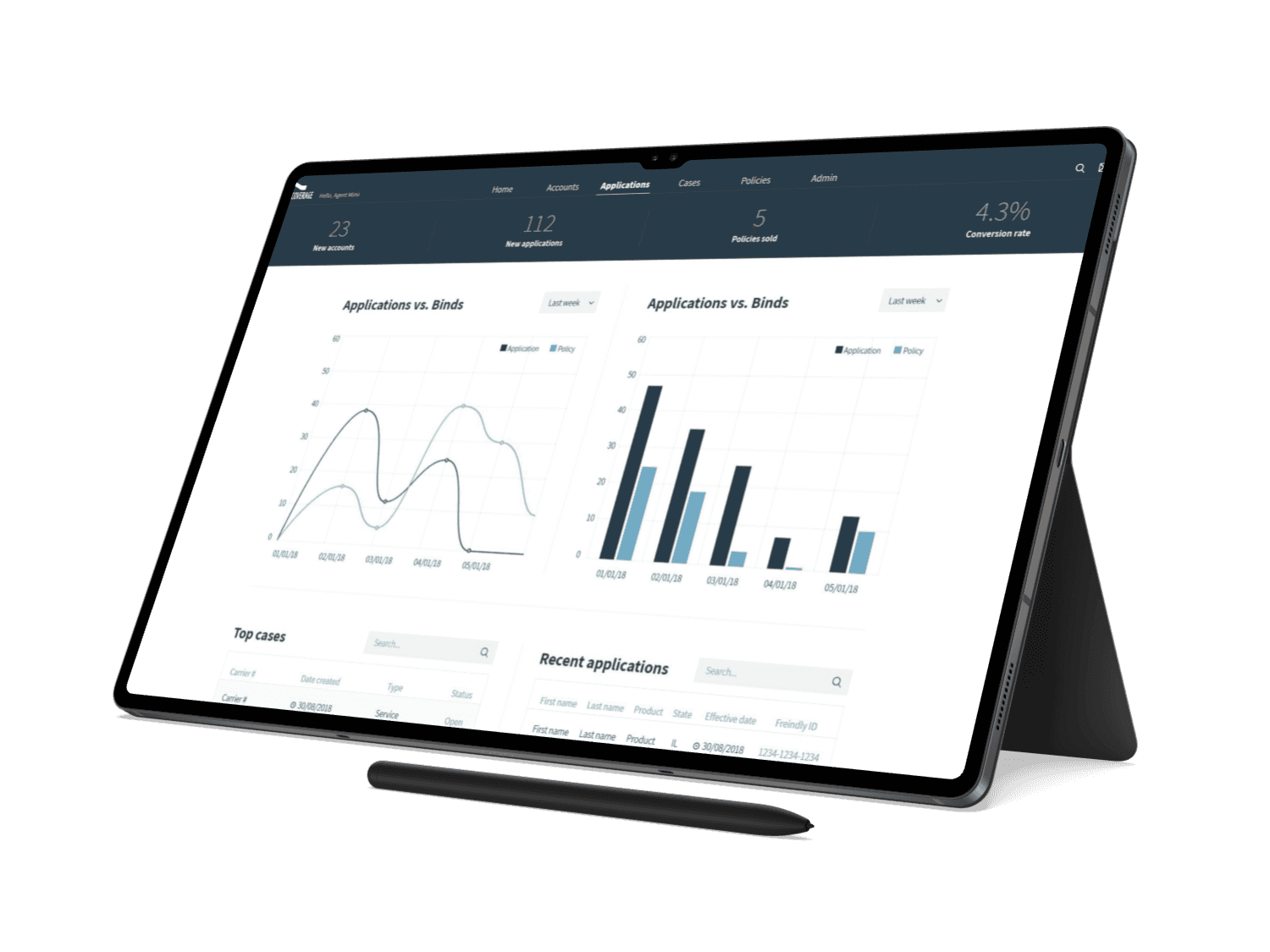
The design process started with mapping current agency workflows across different carrier portals and spreadsheets to define a unified end‑to‑end flow inside bolt’s platform.
Early concepts explored different dashboard layouts for tasks, pipeline, and carrier access, prioritizing quick entry to “start a quote” and fast access to in‑progress submissions.
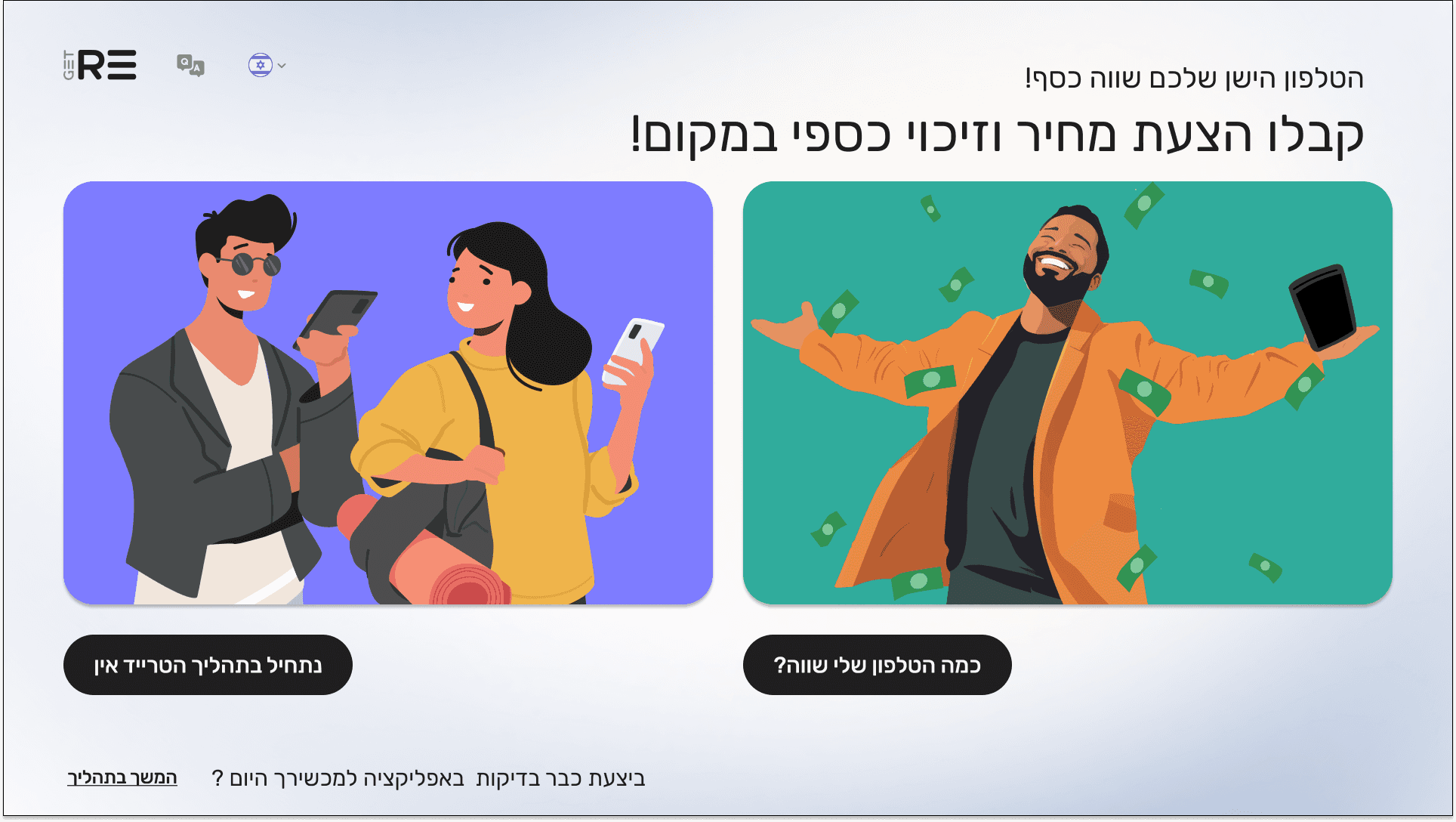
For this project, several usability sessions were conducted with real users interacting with the early GET‑RE trade‑in flows. The goal was to observe how people discover the kiosk, understand the process, and complete a trade‑in, and to capture where they hesitate, get confused, or drop off. Insights from these sessions helped refine the navigation, device evaluation steps, and offer screens before moving into final design and development.
Users needed a clearer introduction that explains how the trade‑in flow works, what steps they will go through, and how long it will take. A structured first screen with expectations and progress indication reduces anxiety and helps them commit to the process.
Participants were unsure which tests they must complete and what each check (camera, screen, buttons, battery) actually verifies. More visual cues, micro‑copy, and step‑by‑step instructions make the evaluation feel safer and more transparent.
Users wanted clearer messaging around how the final trade‑in value is calculated and how they can use the coupon or credit in store. Highlighting value breakdown, limitations, and next steps on the same screen increases trust and reduces drop‑offs at the decision stage.
The clear version :
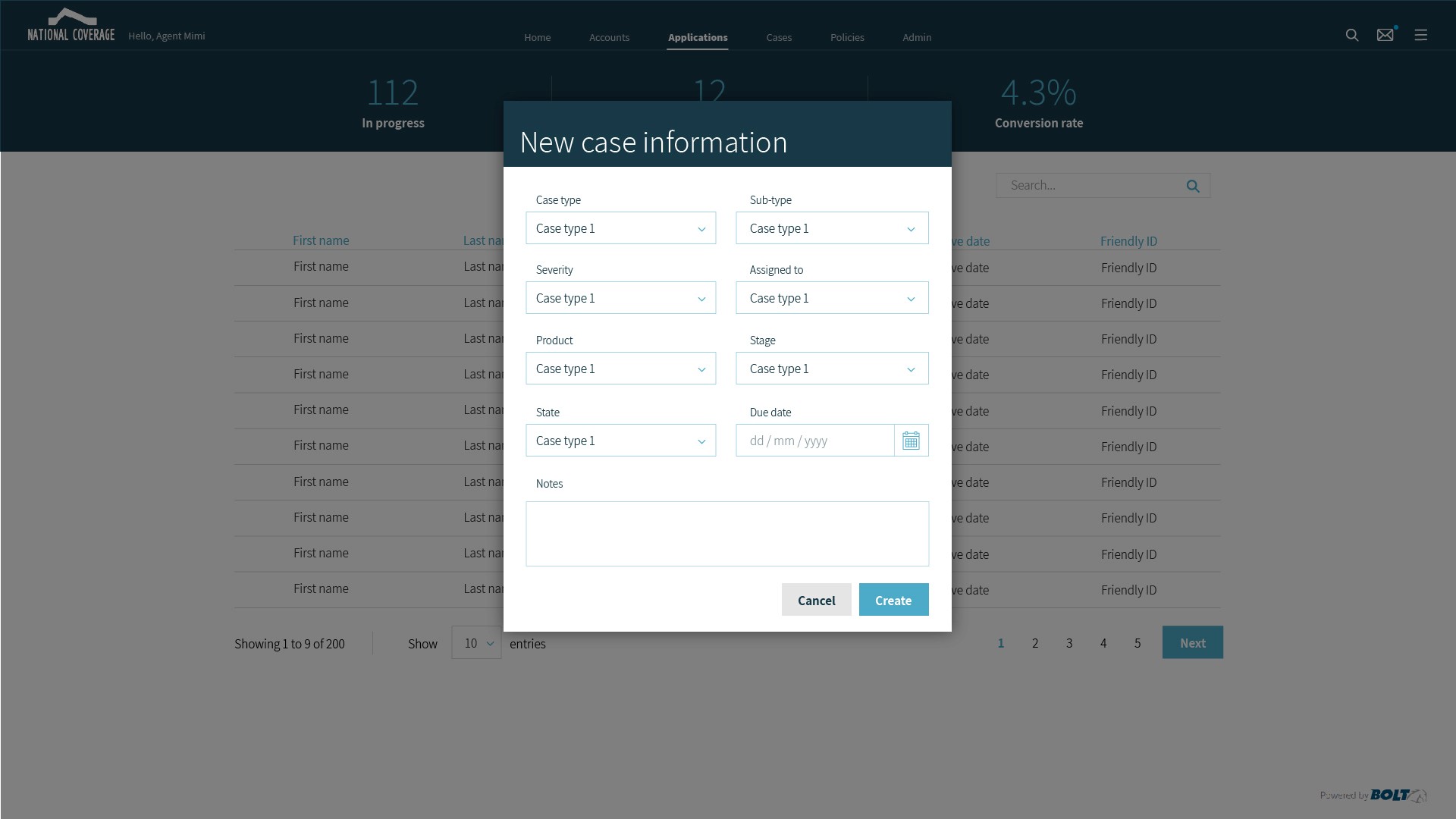
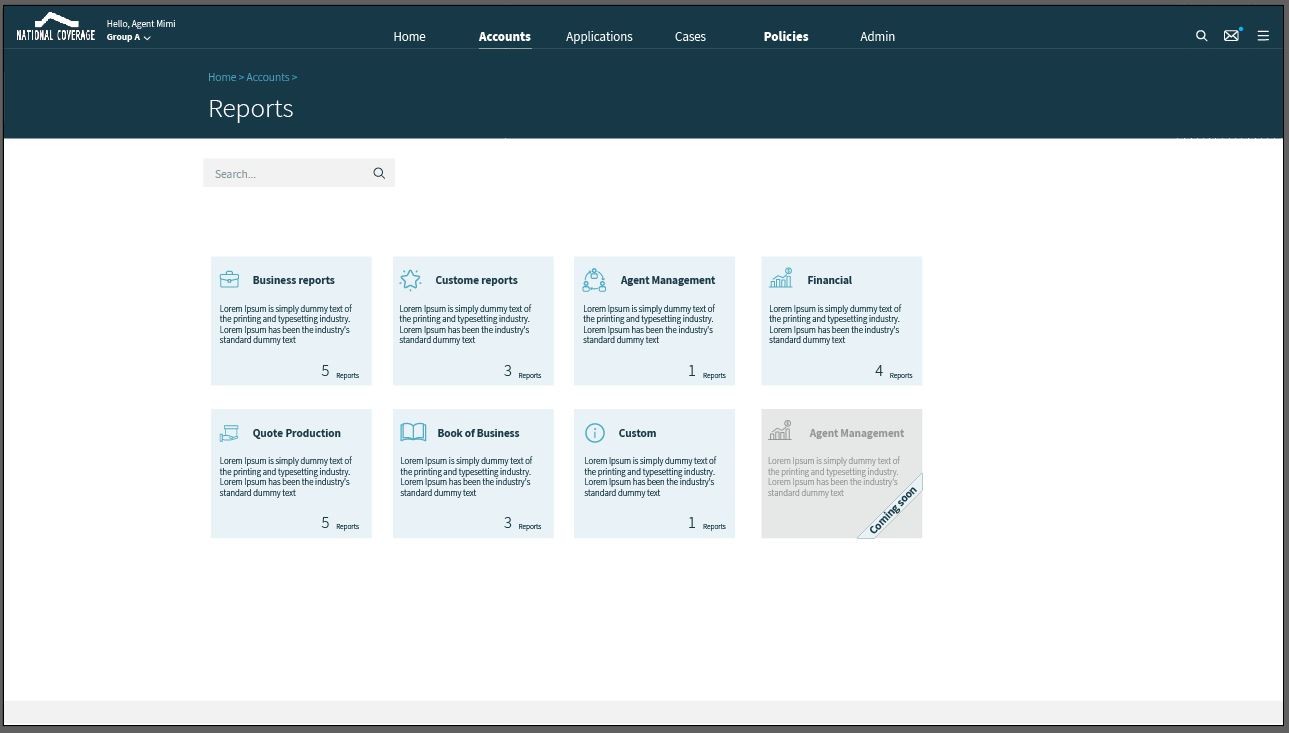
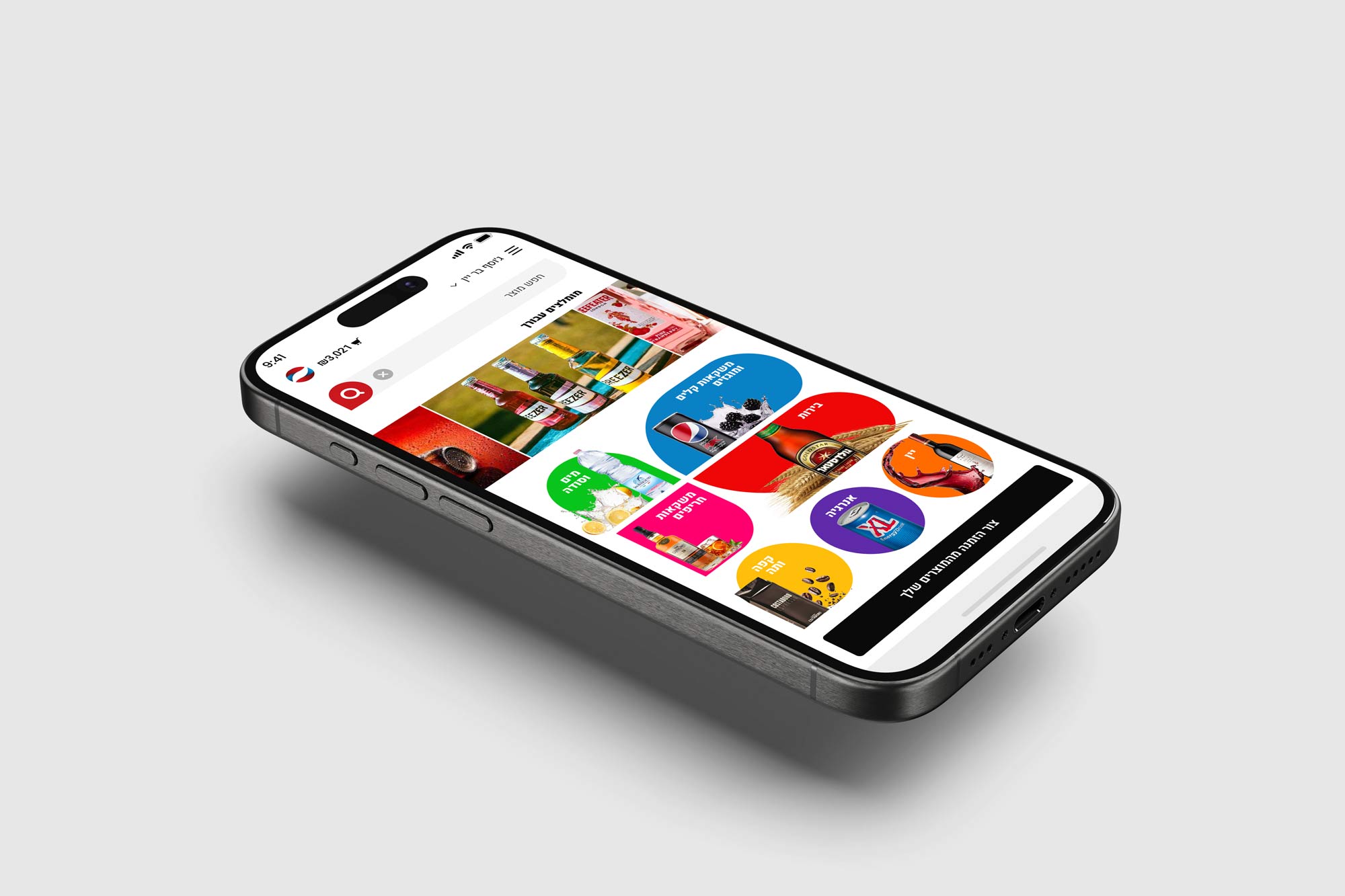
On this step, first I created a static, high-fidelity Voo's app design (keeping in mind all the conclusions from the previous phase of usability studies) that is a clear representation of a final product called design mockups.
After that, I created a high-fidelity prototype of the app.
I turned my mockups into a prototype that's ready for testing, using gestures and motion, which can help enrich the user experience and increase the usability of the app.
The project schematically :
The new B2B experience helps agencies complete quotes faster, reduce manual rework, and present carrier options to their clients with more clarity and confidence.
By aligning the platform with real agency workflows, bolt agency strengthens its position as a key distribution partner for carriers and a productivity tool for independent agents.